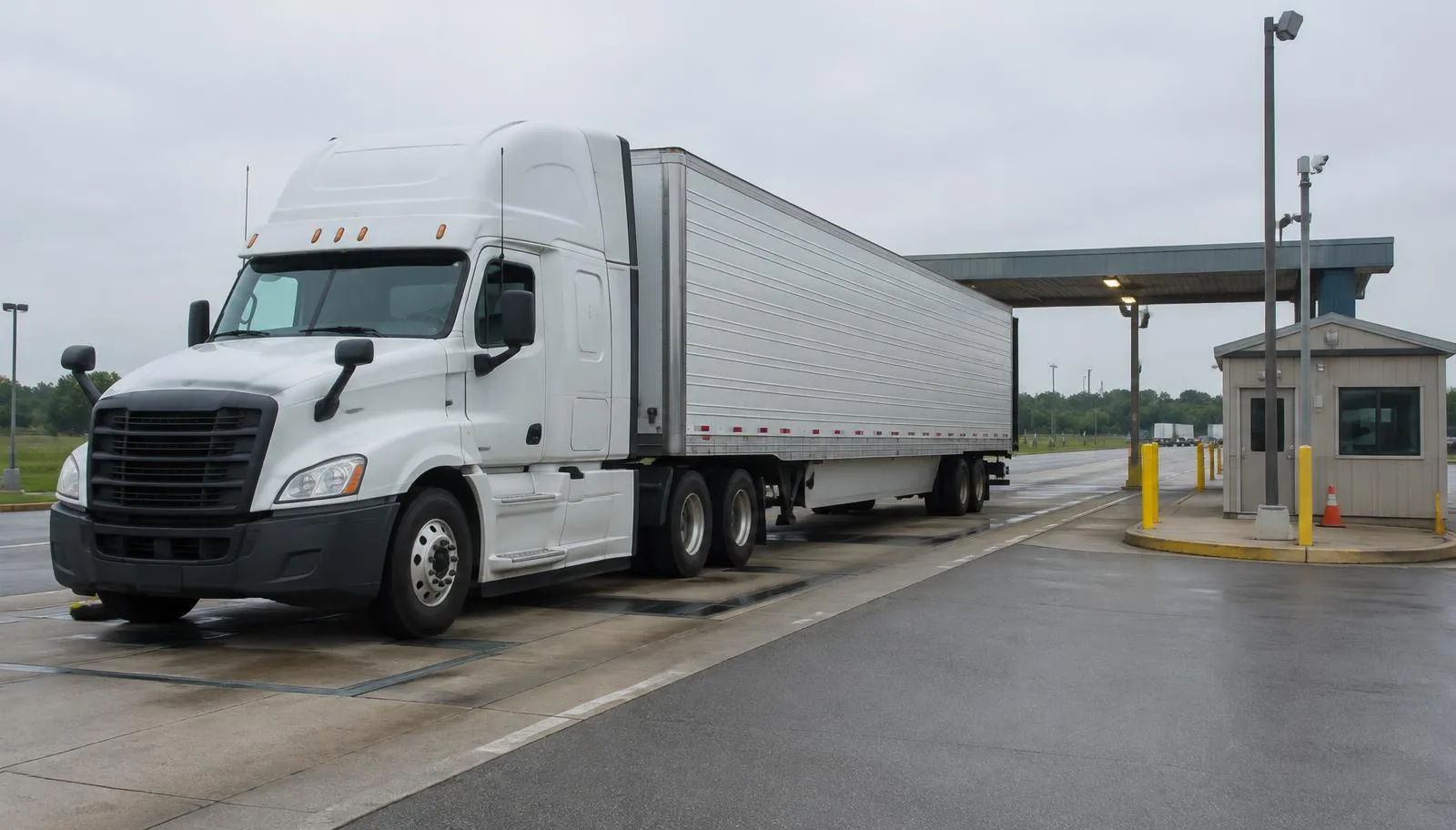
Nobody plans to get placed out of service. But every year, thousands of trucks get pulled off the road at roadside inspections for problems that could have been caught in the yard. A single out-of-service order can cost a load, a delivery window and a day of pay. For a small fleet, it can mean a missed contract.
The good news: inspectors tend to find the same few problems over and over. If you know what they look for, you can catch most of them before your truck ever reaches a scale house.
Brakes are still the number one problem
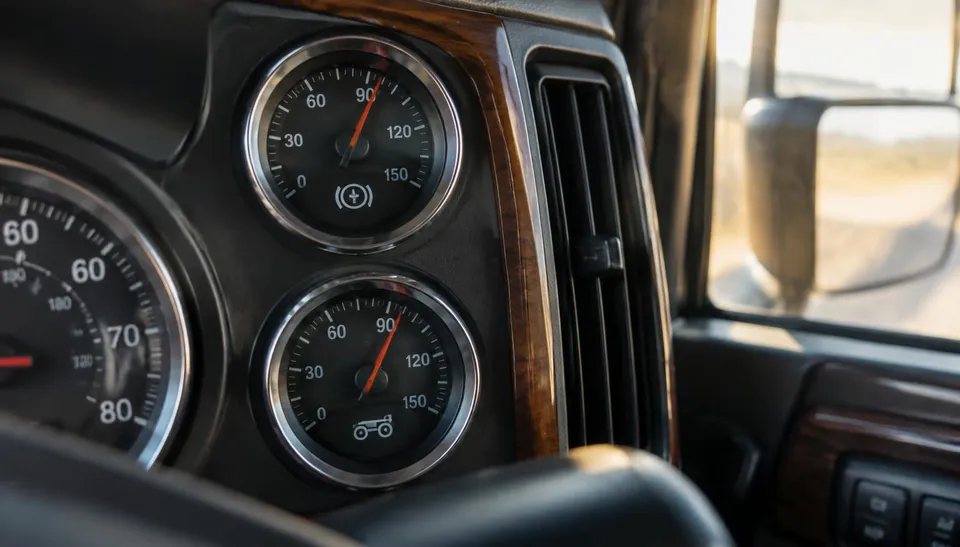
Brake system violations are consistently among the most common out-of-service issues found during roadside inspections. Inspectors look for brakes that are out of adjustment, worn linings and drums, cracked or leaking air lines, damaged brake chambers and missing or broken components.
Brakes drift out of adjustment slowly, so a truck can feel fine to the driver while one or more brakes are doing almost nothing. Automatic slack adjusters help, but they are not a fix for worn parts, and a slack adjuster that keeps "needing" adjustment is a warning sign of a deeper problem.
Lights and reflective tape
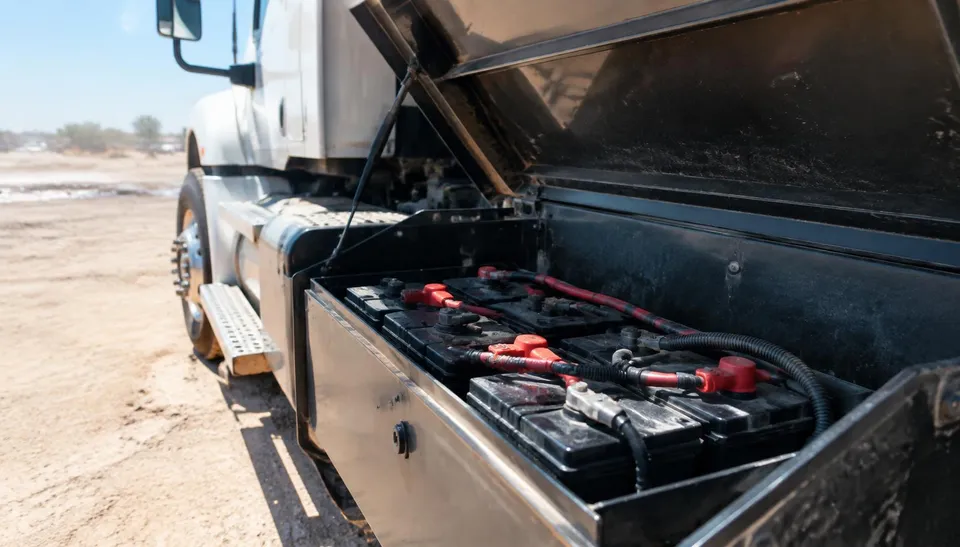
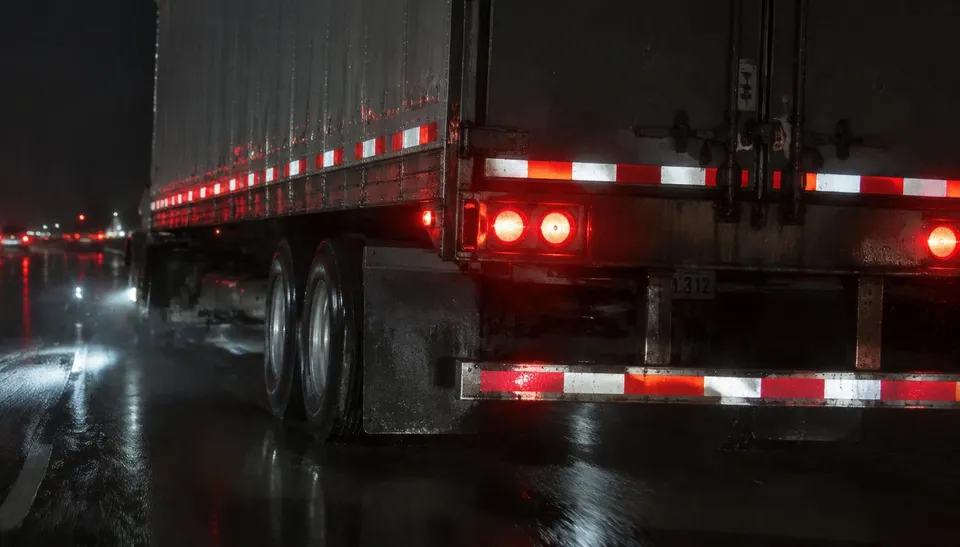
Lighting violations are some of the easiest to get and the easiest to avoid. A single burned-out marker light, a dead brake light or a cracked lens can earn a violation. On trailers, missing or faded reflective tape is another common write-up. Wiring problems make this worse: a corroded plug or a pinched wire can make lights work one day and fail the next.
Tires and wheels
Inspectors check tread depth, sidewall damage, inflation, mismatched tires on duals and anything rubbing. They also look at wheels: cracked rims, loose or missing lug nuts and rust trails around the lugs, which can mean a wheel is working loose. In the Louisiana heat, low inflation is a bigger risk because underinflated tires build heat fast on long I-10 runs.
Coupling, steering and suspension
Fifth wheels, kingpins, safety chains and trailer hookups all get a look. So do steering components, leaf springs, U-bolts and air suspension. Cracked springs and loose U-bolts are easy to miss on a walk-around but easy for an inspector to spot under the trailer.
Leaks and the paperwork side
Fuel, oil and coolant leaks can earn violations, and exhaust leaks near the cab are a safety issue on their own. Inspectors also check driver paperwork and logs, which is outside the shop side, but a well-maintained truck with clean inspection records makes the whole stop go faster.
What you can check yourself
A good pre-trip inspection catches a lot. Walk all the way around the truck and trailer with the lights on, including four-ways and brake lights. Look at every tire and lug nut. Listen for air leaks with the engine off and the brakes released. Check the reflective tape on the trailer sides and rear. Look under the trailer for broken springs or hanging parts.
What a walk-around can't do is measure brake adjustment accurately, find a slow air leak behind a crossmember or tell you a wheel bearing is starting to fail. That's where a mechanic comes in.
Why a compliance check before the road beats a fix after
When a problem is found at a roadside inspection, you are fixing it on someone else's schedule, often far from home and at the worst time. When it's found in your own yard, you fix it on your schedule.
M3 Roadside comes to your yard, lot or job site in Southwest Louisiana and checks the items that most often fail roadside inspections, then fixes what we find. Learn more about our DOT compliance checks, our brake and air brake repair, and how we work with fleets in Lake Charles.
Need a hand? Send a request or call (409) 233-8574.